From the Washington Post, November 3rd 2010

In Iraq, no magic, or any use, for these wands
Washington Post Foreign Service
Wednesday, November 3, 2010
Wednesday, November 3, 2010
BAGHDAD - The Iraqi Interior Ministry inspector general recently determined that wands used by police as the frontline defense in the country's fight against bombs are worthless.
His finding was unsurprising. But in today's Iraq, it had the potential to be politically explosive. What the ministry did in response to the inspector general's conclusion speaks volumes about how the Iraqi government works these days - and why so often it doesn't.
For years, U.S. military officials have called the devices a scam. The British government this year jailed the manufacturer of the ADE-651 gadgets on fraud charges and banned the company from exporting more.
But as damning evidence against the wands mounted, senior Iraqi
security officials, including Interior Minister Jawad Bolani, said the critics were uninformed. The officials maintained the devices, which are supposed to detect explosives inside vehicles and prompt police to search them manually, had saved countless lives.
When faced with the inspector general's findings, Interior Ministry officials did not pull the devices from hundreds of checkpoints that snarl traffic around Baghdad and other Iraqi cities. Instead, they shelved the report and quietly granted immunity to the official who signed the no-bid contracts, worth at least $85 million.
The only public mention of the finding was a small blurb in the report to Congresssubmitted by the U.S. Special Inspector General for Iraq Reconstruction last week. The Iraqi ministry's inspector general, Aqeel Al Turaihi, "reports that many lives have been lost due to the wands' utter ineffectiveness," the report said.
The devices remain ubiquitous across Iraq.
Iraqi policeman Mohammed Shaker, 36, said he was not surprised to hear that the devices are a sham. "We all knew they're a failure," he said. "They don't achieve anything. It's all a show for the public."
Turaihi and other ministry officials did not respond to requests for comment sent by e-mail and phone text messages and through aides. Ali al-Dabbagh, the government spokesman, also did not return numerous phone calls.
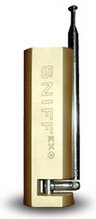
The controversy began in 2007, when the Interior Ministry, which oversees Iraq's police force, placed its first order from ATSC, a British company. U.S. military officials at the time expressed alarm, saying the device, which has an antenna that is supposed to pivot sideways when it detects explosives, had been debunked as a scam in other countries.
The ministry went ahead with its order, paying as much as $60,000 for each gizmo.
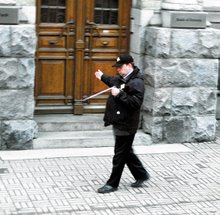
The manufacturer says the wand is powered by static electricity generated when its user marches in place while holding the instrument straight ahead.
"The simple way to explain this technology is to take an inflated balloon and rub it on your hair," the company explains on its Web site. "A static electric 'charge' is created, making the balloon 'attract' it to say, a wall or other flat surface."
U.S. military explosives experts found that laughable. Worried about the effect that relying on the device could have on their effort to interdict the slew of bombs killing Iraqis and American soldiers daily, many U.S. officers tried to persuade their Iraqi counterparts to ditch them.
In one of many attempts, a team of U.S. officers in 2008 asked Iraqi soldiers trained to use the ADE-651 to demonstrate whether the devices could determine which vehicle parked inside a U.S. base contained dynamite.
The operator's wand tilted toward a couple of vehicles. Neither, it turned out, contained explosives, according to a U.S. military official who participated in the exercise and spoke about it on the condition of anonymity.
"The entire time, his American assistant had a stick of C4 under his uniform," the officer said. "It was like a Monty Python sketch gone horribly wrong."
In January, British authorities arrested ATSC chief Jim McCormick, accusing him of "fraud by misrepresentation." Company officials did not respond to an e-mail asking for comment on the Iraqi inspector general's finding.
When news of the arrest broke, Iraqi officials vowed to launch investigations, including one by the security committee in parliament that lawmakers said would establish who placed the order, who authorized it and whether bribes were involved.
In 2009, Parliament provided a modicum of oversight over state security agencies, but it has been inactive for nearly a year because lawmakers have been consumed by stalled negotiations to form a government after the March 7 election.
The interior minister stood his ground, telling state-run Iraqiya television station in January that the wands had prevented more than 16,000 bombs. The Iraqi government has not disclosed who authorized the orders.
Ministry officials at the time surveyed policemen at checkpoints about whether the devices were showing results.
"We told them they were working fine," an Iraqi police lieutenant said Wednesday, standing next to a checkpoint where his men were using the wands near the neighborhood where a Catholic church was attacked Sunday by a band of suicide bombers. "That's what they wanted to hear," he added. "They want to try to give citizens an image of security that is false."
That attitude infuriates many U.S. officers who have fought in Iraq.
"I'm finding it harder and harder to see any humor in this," Lt. Col. Dennis Yates, who was among the device's critics when he last served in Baghdad in 2008. "This piece of junk did, in fact, significantly contribute to an unknown - and pathetically large - loss of innocent lives. The guy who bought it should rot in one of the stinking jails that dot Baghdad."
For years, U.S. military officials have called the devices a scam. The British government this year jailed the manufacturer of the ADE-651 gadgets on fraud charges and banned the company from exporting more.
But as damning evidence against the wands mounted, senior Iraqi
security officials, including Interior Minister Jawad Bolani, said the critics were uninformed. The officials maintained the devices, which are supposed to detect explosives inside vehicles and prompt police to search them manually, had saved countless lives.
When faced with the inspector general's findings, Interior Ministry officials did not pull the devices from hundreds of checkpoints that snarl traffic around Baghdad and other Iraqi cities. Instead, they shelved the report and quietly granted immunity to the official who signed the no-bid contracts, worth at least $85 million.
The only public mention of the finding was a small blurb in the report to Congresssubmitted by the U.S. Special Inspector General for Iraq Reconstruction last week. The Iraqi ministry's inspector general, Aqeel Al Turaihi, "reports that many lives have been lost due to the wands' utter ineffectiveness," the report said.
The devices remain ubiquitous across Iraq.
Iraqi policeman Mohammed Shaker, 36, said he was not surprised to hear that the devices are a sham. "We all knew they're a failure," he said. "They don't achieve anything. It's all a show for the public."
Turaihi and other ministry officials did not respond to requests for comment sent by e-mail and phone text messages and through aides. Ali al-Dabbagh, the government spokesman, also did not return numerous phone calls.
The controversy began in 2007, when the Interior Ministry, which oversees Iraq's police force, placed its first order from ATSC, a British company. U.S. military officials at the time expressed alarm, saying the device, which has an antenna that is supposed to pivot sideways when it detects explosives, had been debunked as a scam in other countries.
The ministry went ahead with its order, paying as much as $60,000 for each gizmo.
The manufacturer says the wand is powered by static electricity generated when its user marches in place while holding the instrument straight ahead.
"The simple way to explain this technology is to take an inflated balloon and rub it on your hair," the company explains on its Web site. "A static electric 'charge' is created, making the balloon 'attract' it to say, a wall or other flat surface."
U.S. military explosives experts found that laughable. Worried about the effect that relying on the device could have on their effort to interdict the slew of bombs killing Iraqis and American soldiers daily, many U.S. officers tried to persuade their Iraqi counterparts to ditch them.
In one of many attempts, a team of U.S. officers in 2008 asked Iraqi soldiers trained to use the ADE-651 to demonstrate whether the devices could determine which vehicle parked inside a U.S. base contained dynamite.
The operator's wand tilted toward a couple of vehicles. Neither, it turned out, contained explosives, according to a U.S. military official who participated in the exercise and spoke about it on the condition of anonymity.
"The entire time, his American assistant had a stick of C4 under his uniform," the officer said. "It was like a Monty Python sketch gone horribly wrong."
In January, British authorities arrested ATSC chief Jim McCormick, accusing him of "fraud by misrepresentation." Company officials did not respond to an e-mail asking for comment on the Iraqi inspector general's finding.
When news of the arrest broke, Iraqi officials vowed to launch investigations, including one by the security committee in parliament that lawmakers said would establish who placed the order, who authorized it and whether bribes were involved.
In 2009, Parliament provided a modicum of oversight over state security agencies, but it has been inactive for nearly a year because lawmakers have been consumed by stalled negotiations to form a government after the March 7 election.
The interior minister stood his ground, telling state-run Iraqiya television station in January that the wands had prevented more than 16,000 bombs. The Iraqi government has not disclosed who authorized the orders.
Ministry officials at the time surveyed policemen at checkpoints about whether the devices were showing results.
"We told them they were working fine," an Iraqi police lieutenant said Wednesday, standing next to a checkpoint where his men were using the wands near the neighborhood where a Catholic church was attacked Sunday by a band of suicide bombers. "That's what they wanted to hear," he added. "They want to try to give citizens an image of security that is false."
That attitude infuriates many U.S. officers who have fought in Iraq.
"I'm finding it harder and harder to see any humor in this," Lt. Col. Dennis Yates, who was among the device's critics when he last served in Baghdad in 2008. "This piece of junk did, in fact, significantly contribute to an unknown - and pathetically large - loss of innocent lives. The guy who bought it should rot in one of the stinking jails that dot Baghdad."